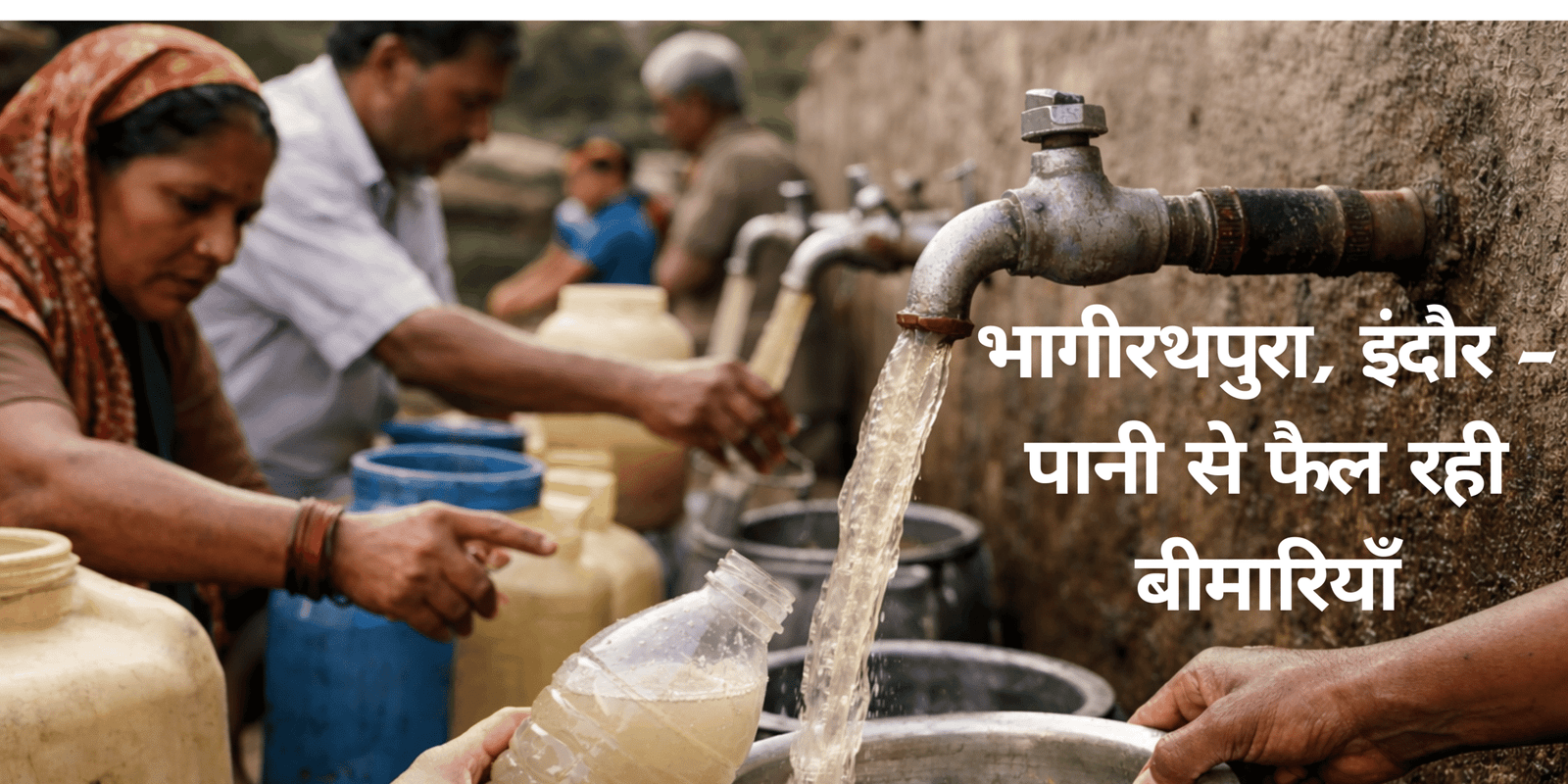
What happens to the flowers offered at temples across India? If you thought they simply vanish, you’re not alone—but the reality is very different. Every year, millions of kilograms of temple flowers are discarded into rivers and landfills. Instead of dissolving peacefully, these flowers release pesticides, chemical dyes, and toxins into the environment, contributing to water pollution and harming aquatic life. A symbol of devotion unknowingly becomes a source of waste and damage.
But what if these sacred flowers could be reborn into something meaningful and sustainable?
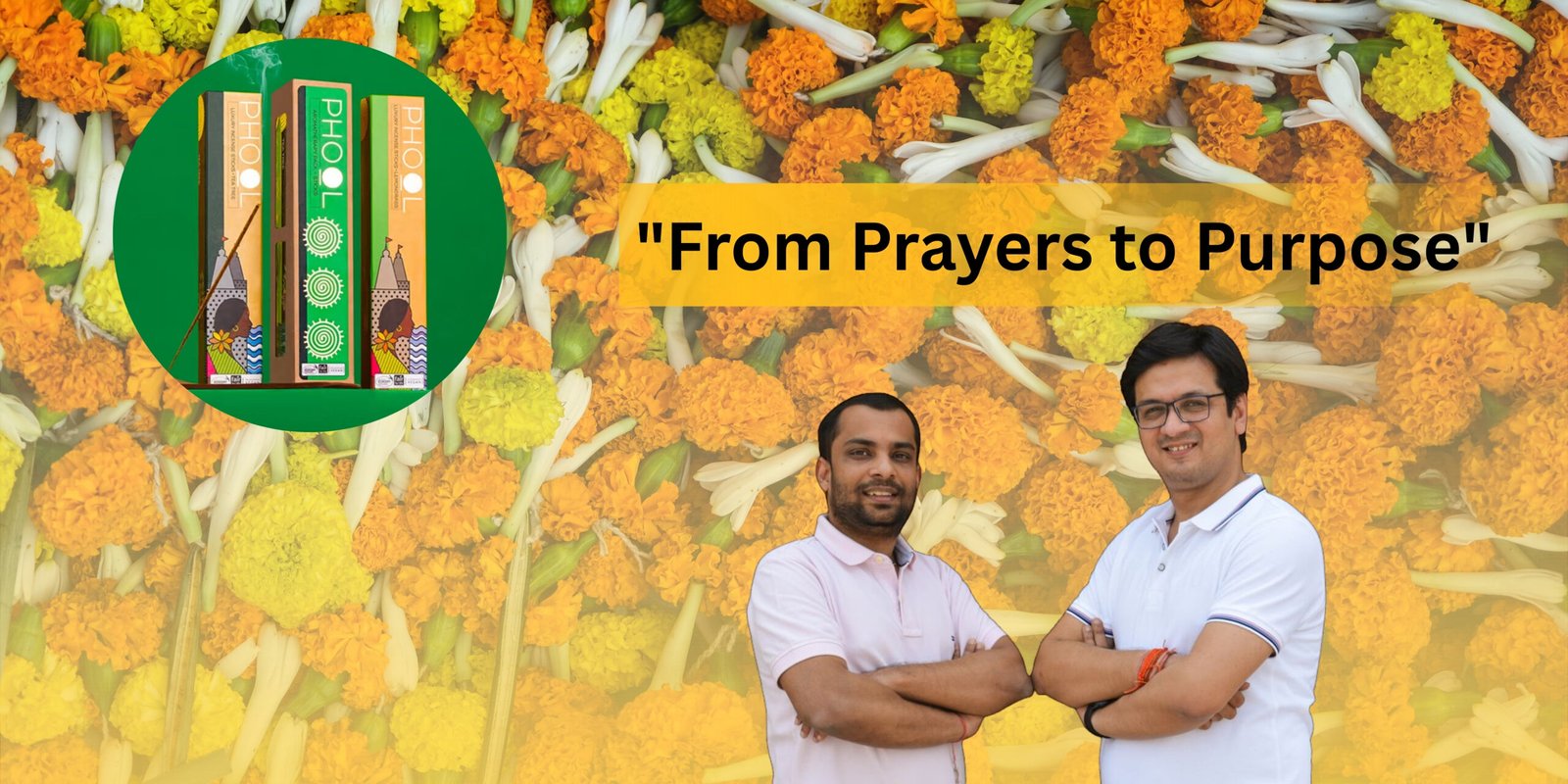
Enter Phool — a revolutionary social enterprise founded by Ankit Agarwal in 2017. Instead of letting temple flowers rot or pollute rivers, Phool collects them and transforms the waste into beautiful, eco-friendly products. Their most popular innovation is handcrafted incense sticks and cones made from upcycled flowers — completely free from charcoal and harmful chemicals. Even the packaging is biodegradable and Earth-friendly.
Beyond sustainability, Phool also empowers women from marginalized communities by offering fair employment, skill training, and financial independence.
So the next time you smell incense, imagine it once bloomed at a temple — a flower that fulfilled devotion, avoided pollution, and now continues its sacred journey in a greener, kinder form.
Phool: More Than Just a Pretty Scent
Now, let’s talk about the magic of Phool. The company doesn’t just make regular incense sticks; they make eco-friendly, sustainable incense that smells good and feels good too! By collecting flowers from over 700 temples across India, they prevent the flowers from polluting the environment. They reuse flowers that would have been discarded, turning them into products that are as spiritual as they are sustainable.
But it’s not just about saving the environment—it’s about honoring those flowers’ sacred significance, too. After all, why waste something that’s been offered with so much love and devotion? That’s where Phool’s commitment to ahimsa (non-violence) comes in. They make sure every flower is treated with the utmost respect, just like the Jain principle of non-harm teaches us.
Phool: From Waste to Wonder: The Phool Impact
Phool is doing more than just saving flowers. They’re also creating jobs, especially for women in rural communities who handcraft these beautiful products. That’s right, Phool isn’t just about incense—it’s about uplifting lives and empowering communities. It’s like a full-circle win for everyone involved, from the flowers to the people making the products. Now, that’s what we call karma in action!
Their products include everything from temple flower offerings to sustainable packaging, all designed to help people make eco-friendly choices. Whether you’re lighting up a Phool incense stick or using their biodegradable packaging, you’re doing more than just buying a product—you’re supporting a cause.
Phool: A Little Green, A Lot of Good
So the next time you’re browsing for incense sticks, décor items, or thoughtful sustainable gifts, pause for a moment and think about the choice you’re making. By choosing Phool, you’re not just purchasing a product—you’re participating in a meaningful movement. A movement where devotion doesn’t end at the temple door but continues its journey by protecting the planet. With every Phool product, you help reduce waste, support ethical production, and uplift communities who depend on this work for their livelihood.
It’s more than good fragrance or aesthetics—it’s purpose.
This initiative beautifully reflects the spirit of Jain values: non-violence, responsibility, minimal waste, and mindful living. It’s proof that spirituality and sustainability can walk hand in hand.
And honestly, if a simple flower can transform from temple waste into a product that spreads peace while preventing pollution, then we, too, can transform our habits. Every small mindful choice—especially one rooted in compassion—creates ripple effects.Because at the end of the day, you’re not just buying incense.
You’re honoring devotion, empowering communities, and helping heal the planet—one flower at a time.
Also Read: https://jinspirex.com/right-to-disconnect-vs-wfh-conflict-or-culture-shift/